August 28, 2026
Winter driving tips for new G2 drivers
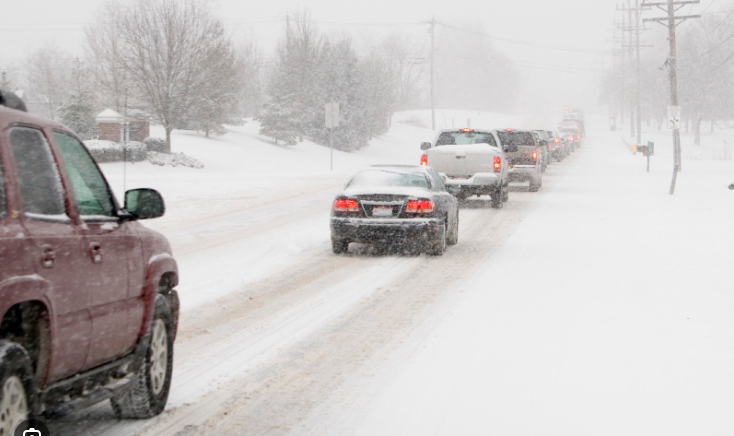
Winter driving can feel very different when you are still gaining experience behind the wheel. Snow, slush, ice, reduced visibility, and longer stopping distances all mean that a calm, prepared approach matters more than ever.
Prepare your vehicle before the road gets difficult
Good winter driving starts before you put the vehicle in gear. Keep the windshield, roof, headlights, and rear-view camera free of snow and ice. Make sure your tires are properly inflated and that you have enough windshield washer fluid rated for cold weather.
Keep a small winter kit in the vehicle. A snow brush, ice scraper, warm gloves, phone charger, and a small blanket can make an unexpected delay much easier to manage.
Give yourself more space
On a dry road, a normal following distance can be enough. In winter, leave significantly more space between your vehicle and the one ahead. This gives you more time to see hazards, ease off the accelerator, and brake gradually.
- Start slowing down earlier than usual for red lights and stop signs.
- Brake gently and steadily rather than making sudden inputs.
- Look well ahead so you can anticipate turns, stopped traffic, and pedestrians.
- Avoid following closely behind snowplows or large vehicles that block your view.
Be smooth with steering, braking, and acceleration
Sudden movements can reduce traction. Accelerate slowly, steer with small deliberate inputs, and brake early. If the vehicle begins to slide, stay calm, look where you want the vehicle to go, and avoid sharp steering or hard braking.
When approaching a hill, maintain a steady and safe speed before you reach the slope. Stopping midway up a slippery hill can make it difficult to get moving again.
See and be seen
Snowfall and early winter sunsets can make it harder for everyone to see. Turn on your lights whenever visibility is reduced. Clear fog and moisture from inside the windows before leaving, and use your defroster as needed during the drive.
Winter practice for new G2 drivers
Practice in low-traffic areas with an experienced supervising driver or a qualified instructor. Start with the basics: smooth starts, controlled stops, left and right turns, lane changes, parking, and safe merging. Gradually move to busier roads only when you are comfortable.
If you are preparing for a G2 road test, continue using the same fundamentals: complete observations, steady speed control, proper following distance, and calm decision-making. Examiners look for safe habits that work in all conditions.
A simple winter-driving checklist
| Before driving | On the road |
|---|---|
| Clear snow and ice from all windows and lights. | Reduce speed when traction or visibility is limited. |
| Check tire condition and windshield washer fluid. | Increase following distance and brake early. |
| Plan extra time so you never need to rush. | Use smooth steering, braking, and acceleration. |
Build confidence one safe trip at a time
You do not need to master every winter condition in one day. Short, regular practice sessions help you build confidence while keeping the focus on safe decision-making. If you would like guided practice with a qualified instructor, explore our Ontario driving courses and lessons.